V · Major Arcana
The Hierophant
Tradition, spiritual wisdom, institutions, mentorship.
Upright
The Hierophant is the keeper of tradition — the teacher, the institution, the way things have always been done. He appears when there is value in the established path: a mentor worth listening to, a ceremony worth having, a set of beliefs that hold you. The card speaks of learning within a lineage and of the comfort of belonging to something older than you.
Reversed
Reversed, the tradition has stopped serving you. It points to questioning dogma, leaving an institution, or finding your own way of doing things when the official one rings hollow. It can also warn against blind conformity. Keep what is true; let the rest go.
On the card
A robed priest sits between two pillars with a triple crown on his head and a triple cross in his hand, two fingers raised in blessing. Two tonsured acolytes kneel before him, and a pair of crossed keys lies at his feet.
In love
Commitment in the traditional sense: marriage, shared values, meeting the family.
A relationship that runs on rules rather than feeling, or one that does not fit the mould and should not try to.
At work
Mentorship, formal training, an established company. Learn the ropes before you rewrite them.
Chafing at the hierarchy, or an institution that has lost its point. Innovation lives here.
As advice
Find someone who has done this before and ask them how.
Trust your own conscience over the official line.
Questions people ask about The Hierophant
Is the Hierophant a yes or no card?
Yes. Through the proper channels: follow the rules, and ask someone who has done it before.
For a yes-or-no question, draw a single card: the one-card spread.
What kind of person is the Hierophant?
A teacher, mentor or keeper of tradition: the priest, the professor, the person who knows how things are done here. Principled and dependable, sometimes rigid.
How does the Hierophant feel about you?
They feel respect, and a wish to do this properly: commitment, meeting the family, the recognised steps in the recognised order. They are thinking long-term, and conventionally.
What does the Hierophant say about timing?
Through the proper channels and in the proper order. Things move on an institution's calendar: the term, the ceremony, the paperwork.
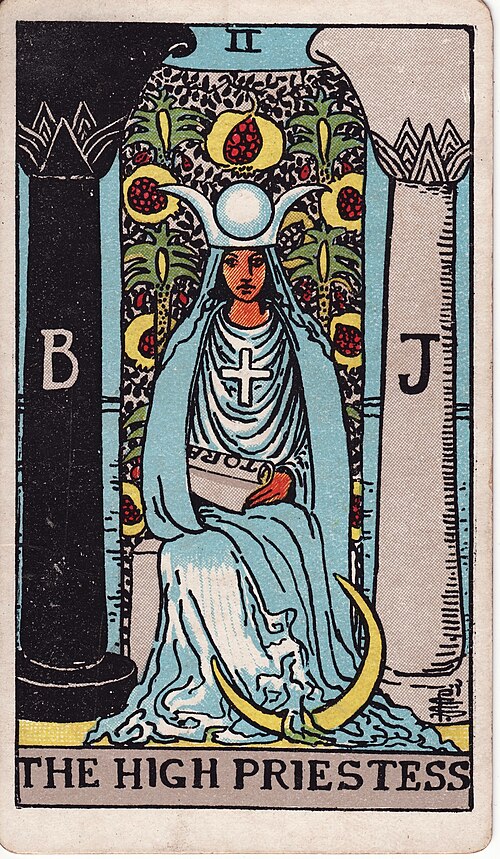
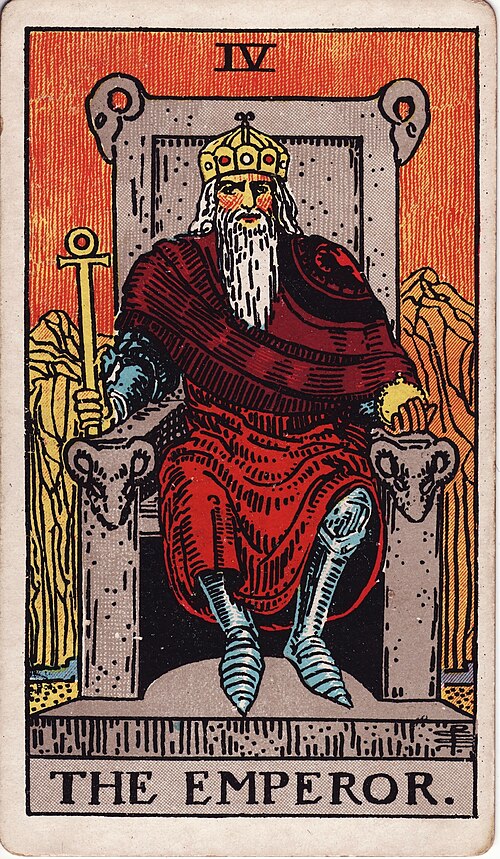
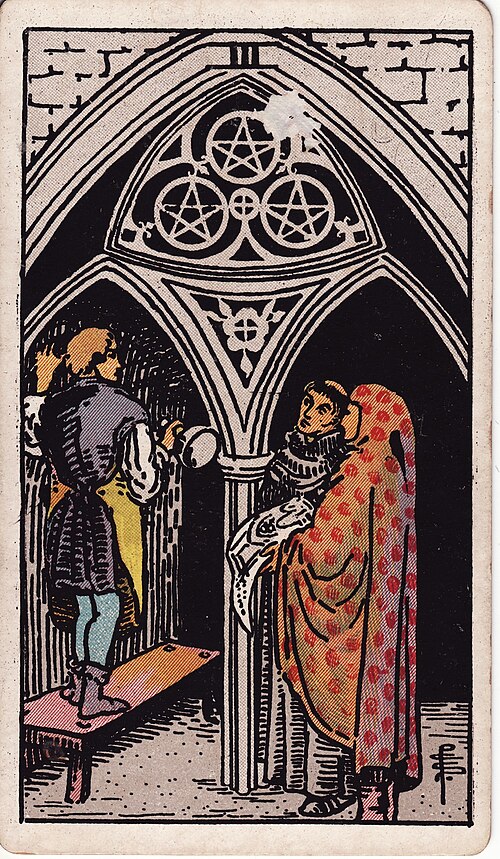
Often read beside it


Read it in a spread
10 cards
Celtic CrossThe classic ten-card spread.Want this card read for your own question? A reading, written by hand: $15, as a PDF within 48 hours.


